Age appropriate chores for kids start simple and grow with them: a 3-year-old can put toys in a bin, a 5-year-old can set the table, a 7-year-old can make their bed and feed a pet, and a 10-year-old can vacuum and help cook dinner. The rule of thumb is one or two short daily jobs for little ones, and more responsibility each year after that.
Below is a full list by age, from toddlers to tweens, plus how to set up a chore chart that actually gets used and an honest look at whether to pay kids for chores.
Age appropriate chores for kids: the quick table
Use this as a starting point. Every child is different, so go by what your child can do safely, not only by their birthday. Each age group can also keep doing the chores from the groups before it.
| Age | Daily chores | Weekly or bigger jobs |
|---|---|---|
| 2 to 3 | Put toys in a bin, put dirty clothes in the hamper, carry their cup to the sink | Wipe up small spills, help feed a pet |
| 4 to 5 | Make the bed (roughly), set out napkins and spoons, water a plant | Match socks, help put away groceries they can reach |
| 6 to 7 | Make the bed, set and clear the table, put clean clothes away | Dust, sweep, sort laundry by color |
| 8 to 9 | Pack their own lunch, load or unload the dishwasher, feed the pet | Vacuum a room, fold laundry, take out trash |
| 10 to 11 | Help make dinner, keep their room tidy, walk the dog | Clean the bathroom sink and mirror, change bedsheets, rake leaves |
| 12 and up | Make a simple meal, do their own laundry | Clean the kitchen or bathroom, mow the lawn, help watch younger siblings |
The middle rows line up closely with the American Academy of Pediatrics’ chore guidance, which suggests 5- to 7-year-olds make their beds and set and clear the table, 8- to 10-year-olds add vacuuming and helping make dinner, and 11- to 12-year-olds take on cleaning the kitchen, changing sheets, and doing laundry.
Chores for toddlers (ages 2 and 3)
At this age, chores are really “helping,” and that is the point. Toddlers want to copy what you do. Let them.
Age appropriate chores for a 3-year-old
- Put toys back in a labeled bin
- Put dirty clothes in the hamper
- Carry their own plate or cup to the counter
- Wipe the table with a damp cloth
- Put books back on a low shelf
- Help pour pet food into a bowl you have measured
Keep each job under five minutes. Expect a messy result and praise the effort, not the finish.
Use pictures, not words
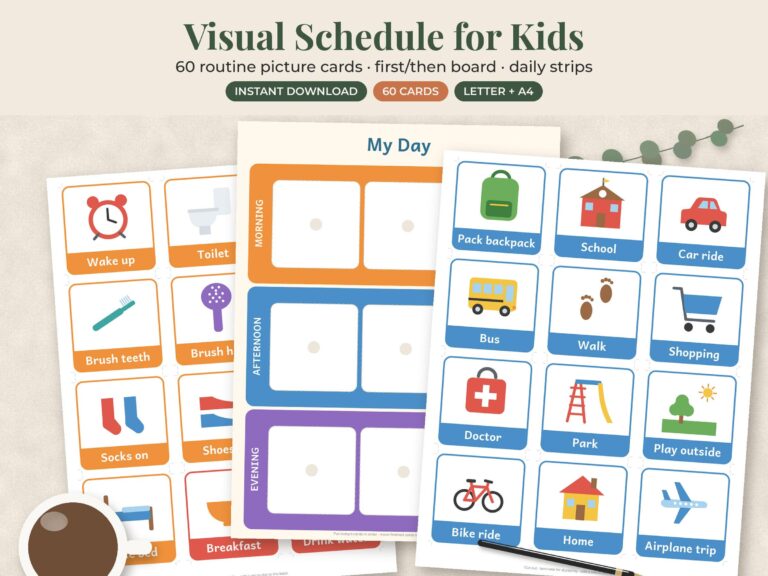
Toddlers cannot read a list, so a visual chore chart for toddlers works far better. A small picture of a toy bin or a toothbrush tells them what comes next. Picture cards on the fridge or bedroom door also help with daily routines, like getting dressed or brushing teeth.
Chores for preschoolers (ages 4 and 5)
Age appropriate chores for a 5-year-old
- Pull the covers up to make the bed
- Set the table with napkins, spoons, and plastic cups
- Water plants with a small watering can
- Match clean socks
- Put away groceries on low shelves
- Feed the pet, with you checking the amount
- Tidy shoes by the door
Five-year-olds love a sticker chart. Cleveland Clinic’s guide to age-appropriate chores notes that sticker charts work well for preschoolers, especially when a small reward follows a set goal, such as ten stickers for a trip to the park.

Chores for early school age (6 to 7)
Age appropriate chores for a 7-year-old
- Make their bed every morning
- Set and clear the table for meals
- Put their clean clothes in drawers
- Dust low surfaces
- Sweep the kitchen floor with a small broom
- Sort laundry into lights and darks
- Pack their school bag the night before
This is a good age to move from “helping” to “owning.” Pick one job that is fully theirs, like setting the table every night, so they know the family is counting on them.
Chores for ages 8 and 9
- Load and unload the dishwasher
- Pack their own school lunch
- Vacuum their bedroom
- Fold and put away their own laundry
- Take out the trash and recycling
- Feed and give water to pets without reminders
Show them once, do it together once, then let them do it while you watch. After that, step back.
Chores for 10 year olds and up
By 10 and 11, most kids can handle real household jobs with a bit of training.
- Help cook dinner: washing and chopping vegetables, measuring, stirring
- Clean the bathroom sink, mirror, and counter
- Change their own bedsheets
- Walk the dog
- Rake leaves or shovel light snow
- Vacuum shared rooms
Ages 12 and up
Pre-teens and teens can do almost any household task, and Cleveland Clinic’s pediatrician Dr. Laura O’Connor says high schoolers should be able to prepare simple meals and help keep up a clean house. Good jobs at this stage:
- Do their own laundry from start to finish
- Cook one simple family meal a week
- Clean the kitchen after dinner
- Mow the lawn
- Help watch younger siblings for short periods
- Keep a weekly chore list and manage it themselves
A note on safety
Whatever the age, you know your child best. Keep cleaning sprays and bleach for older kids and adults, supervise any stove or oven use until you are confident, and keep sharp knives out of the picture until a child has been shown how to use them.
Why are chores good for children?
Chores are not just about a cleaner house. According to the AAP, helping to keep the home running builds a child’s self-esteem and teaches them life skills and how to cooperate as a group.
The University of Florida IFAS guide to children and chores makes a similar point: household tasks help children understand how to be part of a team and build a sense of competence. In plain terms, a child who can feed the dog or make lunch learns “I can do things, and my family needs me.”
How do you make a chore chart that works?
Most chore charts fail in week two. These steps help yours last.
- Hold a short family meeting. Explain why everyone helps. Let kids pick some of their jobs from a list you have approved.
- Start small. The AAP suggests adding one new task at a time, since a long list can overwhelm kids. Two or three jobs is plenty to begin.
- Be specific. “Put your books on the shelf” is clearer than “clean your room.”
- Tie chores to a time. Same time each day works best: bed made before breakfast, table set before dinner.
- Make it visible. Put the chart where everyone walks past it, like the fridge or hallway.
- Review weekly. Check in on Sunday. Swap jobs that are too easy or too hard.
If you need a layout for the whole house, a house cleaning schedule for the adults can sit next to the kids’ chart, so everyone’s jobs are on one wall. We also have a roundup of printable chore charts by age.
Should kids get paid for chores?
There is no single right answer, and families do this in different ways. Cleveland Clinic says it depends on your family’s values and expectations, and suggests waiting until a child understands the value of money. An allowance can then help teach money management.
Here are the three common approaches:
| Approach | How it works | Watch out for |
|---|---|---|
| No pay | Chores are part of being in the family | Kids miss a chance to practice handling money |
| Allowance plus chores | A set weekly allowance; chores are expected separately | Make it clear the allowance is not a reward for chores |
| Base chores plus paid extras | Daily chores are unpaid; bigger jobs like washing the car earn money | Kids may skip base chores and only do paid ones |
Our view: the third option works well for many families with kids aged 8 and up. Everyday jobs like making the bed are just what family members do, while bigger extra jobs give a chance to earn. For younger kids, praise and stickers usually work better than money anyway.
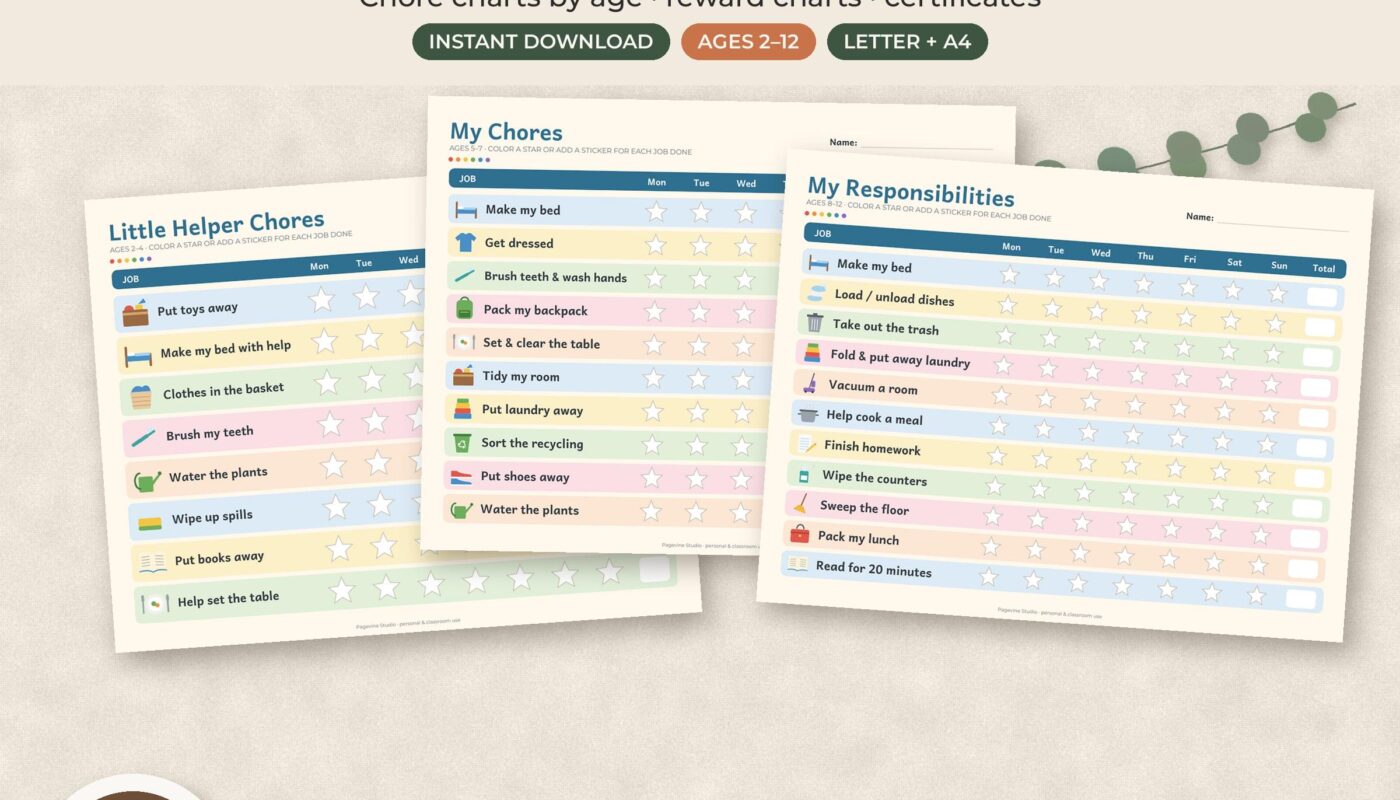
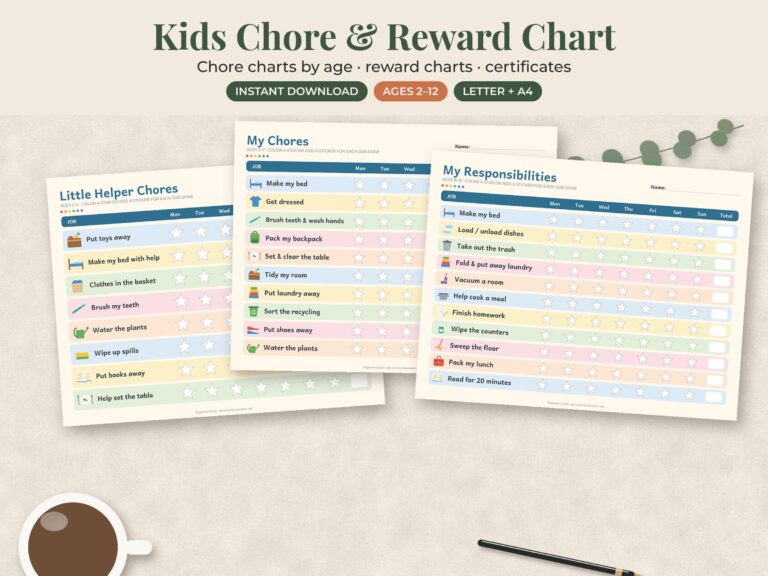
If you want a ready-made version, our kids chore chart and reward chart covers daily jobs and stickers, and the visual schedule picture cards suit toddlers who cannot read yet.