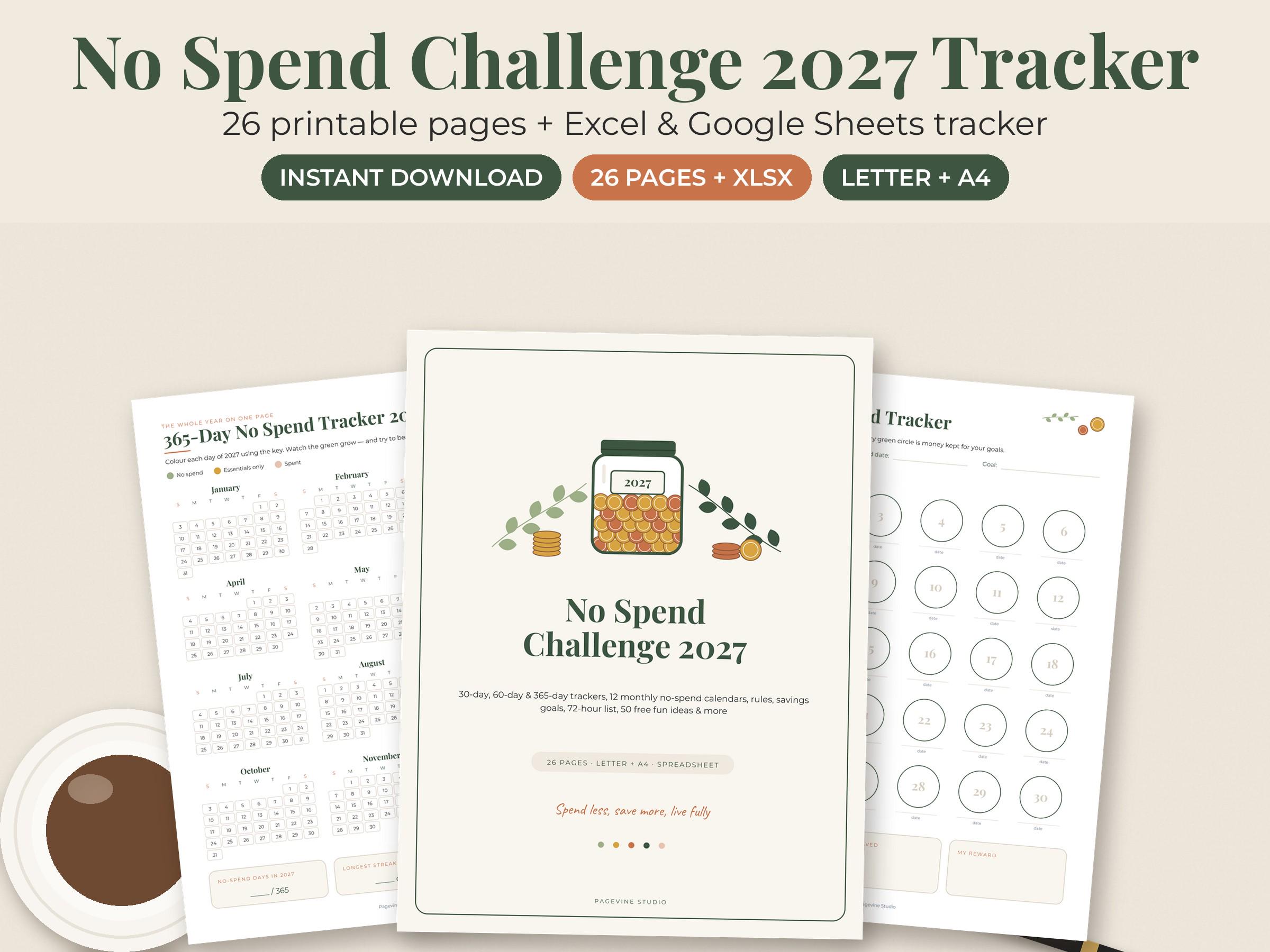
The basic no-spend challenge rules are simple: for a set period, you pay only for essentials you wrote down in advance, and everything else waits. Bills, basic groceries, fuel and medicine are in. Takeout, new clothes, gadgets and “it was on sale” purchases are out.
That is the whole idea. The details are where most people slip, so this guide covers the exact rules we’d use, a setup timeline for a no-spend January in 2027, and a worked example of how much it can save.
The no-spend challenge rules (the short version)
Use these seven rules as your starting point. Change them to fit your life, but write your version down before day one. A rule you invent on day 12 is usually an excuse.
- Pick your dates. A full month works well, and January is popular because it follows a high-spending December. A weekend or a week is fine for a first try.
- Write an essentials list. Rent or mortgage, utilities, phone, insurance, minimum debt payments, planned groceries, fuel or transit, childcare, and medicine.
- Set a grocery cap. Groceries are allowed, but with a weekly limit and a list. Without a cap, the grocery store quietly becomes the new shopping trip.
- Decide your grey areas now. A friend’s birthday, a school trip, a car repair. Make the call in advance, not at the checkout.
- Use what you have first. Pantry food, gift cards, toiletries in the cupboard, the unread books on the shelf.
- Track every day. Mark each day as “no spend” or “essential only.” Seeing a streak keeps you honest.
- Give the money a job. Choose where the saved money goes before you start: an emergency fund, a debt, or a specific goal.
One more rule many people add: no “pre-buying.” Stocking up on wants in the last week of December defeats the point.
What can you buy during a no-spend month?
This is the question that ends most challenges early. Here is a simple way to sort it.
| Allowed | Not allowed | Decide in advance |
|---|---|---|
| Rent, mortgage, utilities | Takeout and food delivery | Birthday gifts |
| Groceries from a list, within your cap | Coffee shop drinks | Replacing something that breaks |
| Fuel, bus or train fares | Clothes, shoes, accessories | Kids’ school costs |
| Medicine and prescriptions | Home decor, gadgets, games | Work lunches with colleagues |
| Minimum debt payments | New subscriptions or in-app purchases | Haircuts |
| Basic toiletries when you run out | “Treat yourself” online orders | Pet costs beyond basic food |
A good test for the grey column: Will this cost more, or cause real harm, if I wait 30 days? A leaking pipe, yes. A new phone case, no.
If you share money with a partner or family, agree on the list together. One person on a no-spend month and one person shopping as normal tends to cause friction rather than savings.
How to start a no-spend January: a 10-day setup
January 2027 starts on a Friday and ends on a Sunday, so it has five full weekends. Weekends are where most spending slips happen, so plan for them. Here is a setup plan for the last days of December.
December 22 to 24: look back
- Open your bank and card statements for the last two or three months.
- Circle every purchase that was not a bill or a planned grocery shop.
- Add them up. That number is roughly what a no-spend month could free up.
December 25 to 27: set your rules
- Write your essentials list and your grey-area decisions.
- Set a weekly grocery cap. A simple method: take your average weekly grocery spend and trim 10 to 15 percent, since you’ll be cooking from the pantry.
- Choose the job for the saved money and open a separate savings account if you don’t have one.
December 28 to 30: clear the path
- Pause or cancel subscriptions you don’t use. Note the renewal dates of the ones you keep.
- Delete saved cards from shopping sites and turn off sale emails and app notifications.
- Take a pantry and freezer inventory, then plan the first week of meals around it. Our meal planner template guide walks through a simple weekly layout.
December 31: set up your tracker
- Print or open your tracker and fill in the January dates.
- Write your “why” at the top. A specific goal, like “$600 into the emergency fund,” works better than “save money.”
How much can you save with a no-spend challenge?
There is no standard number. It depends entirely on how much you spend on flexible things in a normal month. That is why the look-back step matters.
Small habits add up faster than most people expect. Canada’s financial consumer agency points out that a $3 daily coffee costs more than $1,000 a year, and it recommends tracking everything you buy for a month or two to see where money really goes.
A worked example
Say your take-home pay is $3,200 a month. Your look-back shows this flexible spending in a typical month:
| Category | Typical month | During the challenge |
|---|---|---|
| Takeout and delivery | $180 | $0 |
| Coffee and snacks out | $70 | $0 |
| Online shopping | $150 | $0 |
| Groceries | $520 | $450 (cap, pantry first) |
| Subscriptions | $45 | $20 (two paused) |
| Total | $965 | $470 |
That is $495 kept in one month. These are example numbers, not averages, so run your own. The point is that the savings come from the categories you can see in your own statements.
The bigger win is often the habit. After 31 days without automatic small purchases, many people keep a few of the changes for good.
What do you do on a no-spend weekend?
Boredom is the main reason people spend on weekends. Have a list ready before Friday night.
- Library day. Books, movies, magazines, and often free kids’ activities and workshops.
- Pantry cook-off. Pick three ingredients that have been sitting too long and build a meal around them.
- Outdoor loop. A park, a trail, a long walk to a part of town you haven’t explored. Bring drinks and snacks from home.
- Game night. Board games, card games, a puzzle, or printable games you already own.
- Declutter and list. Sell one box of things you don’t use. A no-spend month that earns money is a nice twist.
- Free community events. Check your local council, city or museum website for free entry days.
- Batch prep. Cook and freeze lunches for the week so Monday doesn’t turn into a takeout day.
If friends invite you out, suggest a walk or a meal at home instead. Most people are glad of a cheaper plan in January.
Common mistakes that end the challenge early
- Rules too strict. Banning all groceries beyond the pantry might last a week. A cap with a list lasts a month.
- No plan for the money. If the saved money just sits in your checking account, it tends to leak away in February.
- One slip means quitting. If you buy something outside the rules, write it down and carry on. A month with two slips still beats a normal month.
- Swapping, not saving. Spending the “saved” money on a big reward on February 1 cancels the result.
Low-spend month ideas if no-spend feels too much
A full no-spend month is not right for everyone. If you have young kids, irregular pay or a lot going on, a low-spend month can work better.
- Category freeze: pick one or two categories, like takeout and clothes, and freeze only those.
- No-spend weekdays: essentials only Monday to Friday, with a small set budget for the weekend.
- Cash envelope for wants: give yourself a fixed amount, such as $50 for the month, for anything non-essential.
- No-spend weekends only: a gentler start that targets the days most spending happens.
Where should the saved money go?
Decide this before you start, and move the money on a set day each week so it does not sit in your spending account.
If you don’t have savings for surprises, an emergency fund is a sensible first home. The US Consumer Financial Protection Bureau’s guide to building an emergency fund notes that even a small amount can give you some financial security, and it suggests automatic transfers as one of the easiest ways to save consistently.
Other good jobs for the money: an extra payment on your highest-interest debt (our debt payoff tracker guide shows how to plan it), or a sinking fund for a known cost later in 2027.
In the UK, MoneyHelper’s free budget planner adds up your income and outgoings and shows what is left over, which is a useful check once your no-spend month ends.
How to track a no-spend challenge
A tracker does two things: it shows your streak, and it records what you saved. Keep it simple.
- Write each date of the month in a grid.
- Shade each day: one color for “no spend,” another for “essentials only,” and a third for a slip.
- Note any money you didn’t spend that you normally would, such as “skipped coffee, $4.”
- At the end of each week, move that total to savings and write the running total at the top.
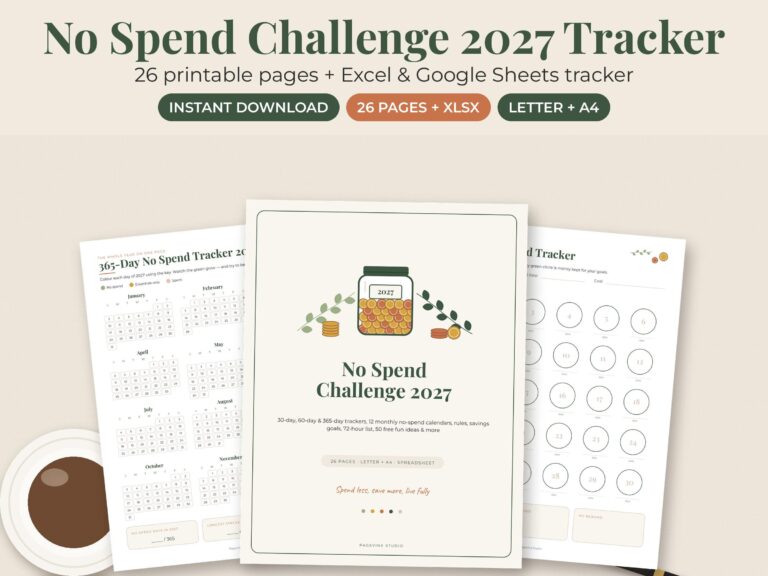
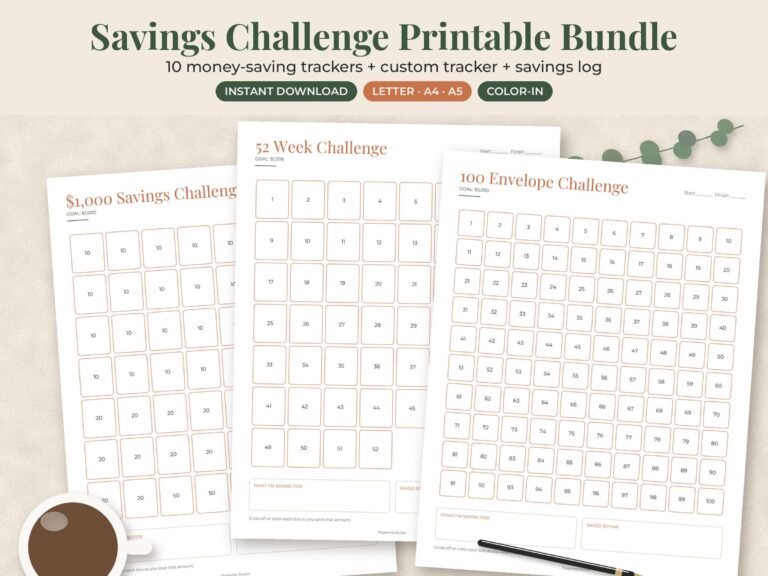
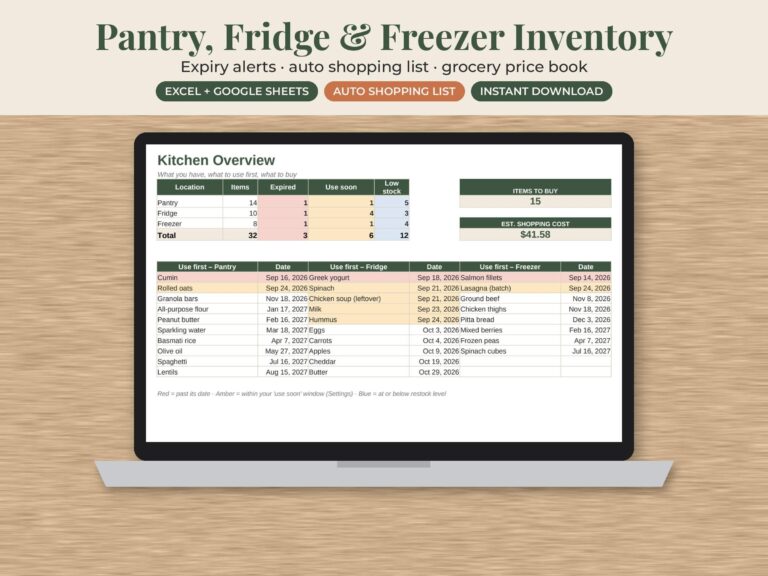
A paper tracker on the fridge works well because the whole household sees it. If you want a ready-made version, our no-spend challenge 2027 tracker has the dates and rules pages laid out, and the savings challenge tracker bundle helps you keep going once January is done. For meal planning from what you already own, a pantry inventory spreadsheet saves a lot of guesswork. You’ll find more January printables in our new year and winter collection.
This is general information, not financial advice.